Introduction
When it comes to construction, the quality of a screed can make or break the foundation of a floor. Yet, for many, the term “screed” remains unclear, and its importance is often underestimated. In this blog, we’ll explore:
- What screeds are
- The different types available
- Their practical applications
- Key considerations for achieving a perfect finish
Whether you’re a professional contractor or an industry newcomer, this guide will provide valuable insights into this critical element of modern construction.
What Is a Screed?
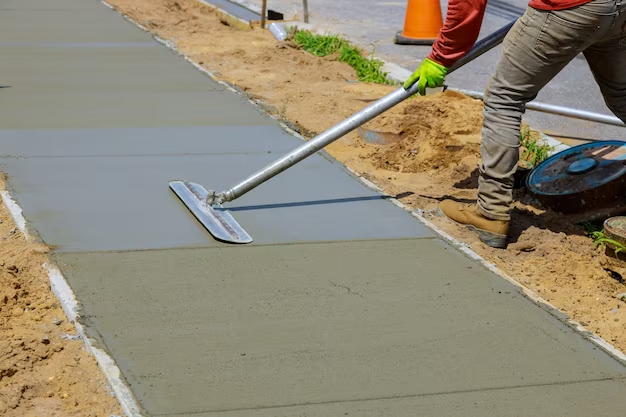
A screed is a layer of material laid in situ on a base, designed to achieve a specific level, carry a final floor covering, or provide a durable wearing surface.
According to BS EN 1318, screeds can be:
- Bonded
- Unbonded
- Floating
In simple terms, screeds are the unsung heroes beneath the surface—ensuring floors are smooth, strong, and ready for action.
Types of Screeds
Selecting the right screed is crucial for durability and performance.
1. Sand/Cement Screeds
- Most commonly used.
- Ideal for leveling but not suitable as a base for resin flooring.
2. Fine Concrete Screeds
- Used for thicker floating screeds, easier to lay.
3. Granolithic Screeds
- Contains hard aggregates like granite, ideal for wearing surfaces.
4. Polymer-Modified Cementitious Screeds
- Flowable or trowel-applied, suitable for both leveling and wearing.
5. Calcium Sulphate Screeds
- Self-leveling and easy to apply, but not suitable as a wearing surface.
Key Design Considerations
A well-designed screed can save time and money while preventing costly errors.
Here’s what to consider:
- Performance Requirements: Does the screed need to support heavy traffic or provide sound insulation?
- Thickness: Ensure the depth matches the application (e.g., bonded, unbonded, or floating).
- Drying Time: Allow sufficient time based on the screed type and environmental conditions.
- Flatness: Essential for smooth finishes and safety compliance.
Applications of Screeds
Screeds are versatile and used in a range of environments:
Bonded Screeds
Perfect for structural integrity.
Unbonded Screeds
Great for isolating damp-proof membranes.
Floating Screeds
Ideal for thermal or acoustic insulation.
Each application has unique design and installation requirements, so proper planning is key.
Tips for Perfect Screed Installation
- Prepare the Base: Clean and level the surface before applying screed.
- Follow Standards: Adhere to BS 8204 Part 1 and other relevant guidelines.
- Monitor Thickness: Ensure the correct depth for strength and durability.
- Allow for Proper Drying: Use moisture testing tools to confirm readiness for finishing.
Why Learn More About Screeds?
At Future Construction Academy, we’ve developed a comprehensive Screeds Training Module to help construction professionals deepen their understanding of screeds.
Course Highlights
- Material selection
- Installation best practices
- Performance testing
- Compliance with BS EN 13813
Try the course for free before you buy and gain actionable insights for your projects.
Learn More About the Screeds Course Here!
Conclusion
Understanding screeds is essential for delivering high-quality floors in any construction project. By choosing the right type, following proper design principles, and adhering to industry standards, you can achieve durable, functional floors that stand the test of time.
Suggested Blog Tags:
- Screeds
- Construction Training
- Flooring Solutions
- British Standards
- Professional Development